
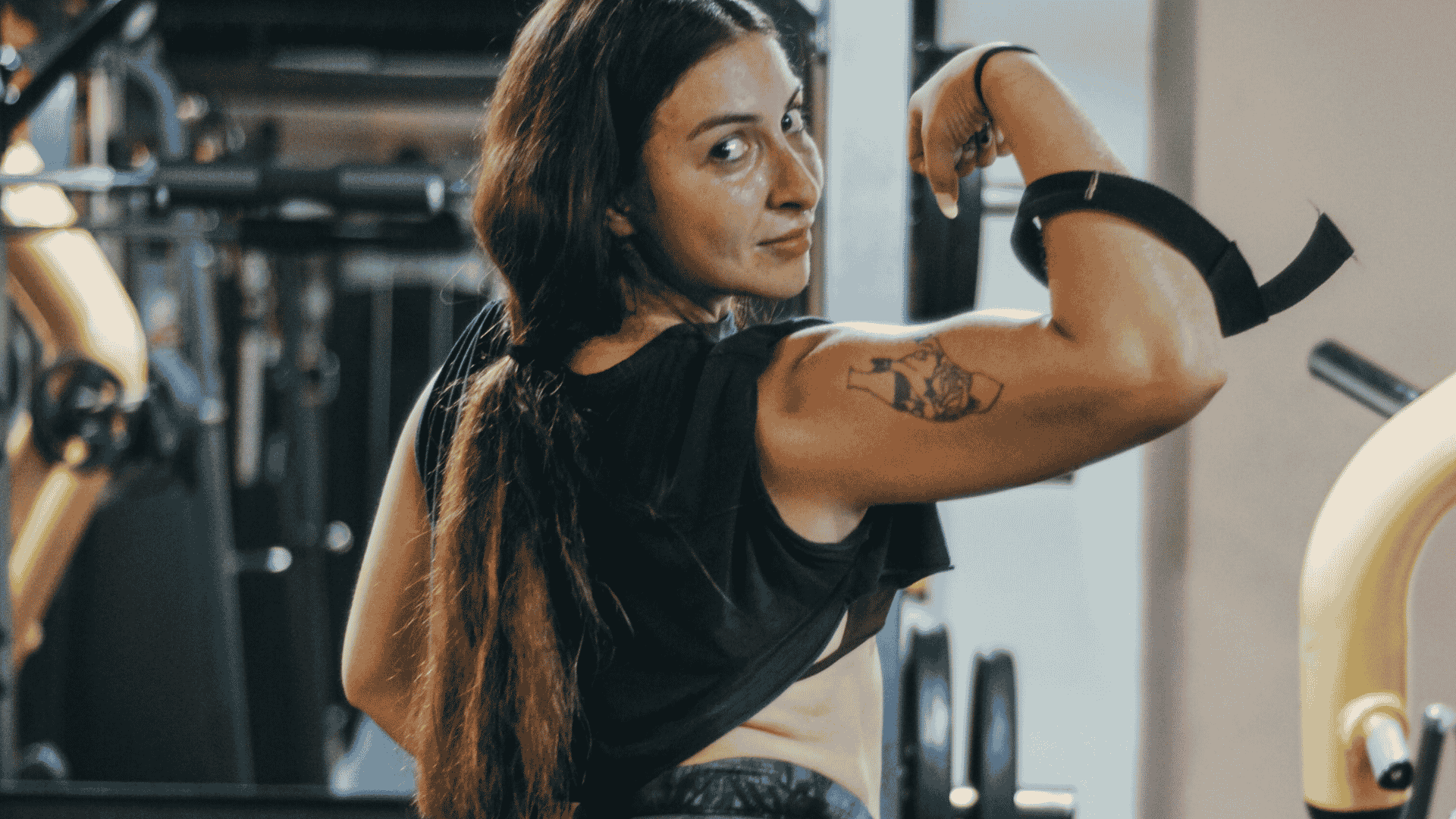

Building a championship physique takes years of disciplined lifting, precise nutrition, and relentless consistency. Presenting that physique on stage is a different skill entirely. Every competitor eventually learns a humbling truth: the lifter who trains hardest does not always win. The one who knows how to display their conditioning under bright lights, holding poses without shaking, often does. That is why a dedicated bodybuilding posing room in Asheville matters, and why serious lifters at WNC Barbell treat posing practice as part of the work rather than an afterthought.
Whether you are prepping for your first NPC show or simply want to understand what real physique competition training involves, this guide covers what a posing room does, the poses you need to master, and how to build a routine that holds up when it counts.
Quick Summary
If you are short on time, here is what this article establishes:
- A posing room is a dedicated, mirrored space built for practicing stage presentation, not just checking your pump. Serious competitors need one because a bedroom mirror cannot replicate stage angles, competition lighting, or the sheer endurance posing demands.
- The mandatory poses, including the front double biceps, side chest, back double biceps, and the abdominals and thigh pose, require the same repetition as any lift. Judges score what you show them, so unpracticed conditioning goes unrewarded.
- Posing is physically taxing. Holding a hard flex through a full round builds the isometric endurance and mind-muscle connection that carry back into your training.
- Objective data sharpens prep. Tracking lean mass and body fat with an InBody 570 scan tells you whether your cut is protecting muscle, which is what actually shows on stage.
- Start posing practice at least 8 to 12 weeks out. Leaving it too late is the single most common mistake first-time competitors make.
What a Posing Room Actually Does
A posing room is not a vanity feature. It is a dedicated, mirrored space where competitors rehearse the exact presentation they will deliver on stage, and where serious lifters assess conditioning honestly and privately.
The bathroom mirror at home fails competitors for a few concrete reasons. Home lighting flattens the muscle and hides the separation that stage lighting reveals. There is rarely enough room to run full transitions or step through a complete posing round. And practicing where you feel self-conscious means you never build the composure that competition requires.
A proper posing space solves all three. It gives you full-length mirrors, honest sightlines, and privacy to grind through the awkward early reps. For anyone pursuing physique competition training, that environment is where a good physique becomes a stage-ready one.
The Mandatory Poses Every Competitor Practices
Posing is a learned skill with a defined vocabulary. The mandatory poses form the backbone of nearly every division, and judges compare athletes directly through them. Each one has to be drilled until it feels automatic.
Front Double Biceps
The signature pose. Arms up, biceps peaked, but the real work happens everywhere else: flared lats, tight quads, a controlled core, and toes planted to bring out the legs. Beginners tend to think only about their arms and lose the entire lower body in the process.
Side Chest
A three-quarter turn that showcases chest thickness, arm size, and the sweep of the hamstrings and calves. Foot placement and the squeeze of the rear leg make or break this one, which is exactly the kind of detail only repetition teaches.
Back Double Biceps
Often where shows are won or lost. This pose reveals back detail, hamstring separation, and calf development all at once. Because you cannot see your own back clearly, practicing it in a mirrored room with feedback is essential rather than optional.
Abdominals and Thigh
A crunch-and-extend pose that displays midsection conditioning and quad detail. Holding it while breathing and staying tight takes real practice, and it exposes any weakness in core control immediately.
Beyond the mandatories, most competitors develop relaxed stances, transitions, and an individual posing routine set to music. Each of those also deserves rehearsal time, because stage presence is a performance, not a single snapshot.
Building a Posing Routine Before Show Day
Treat posing like a training block with its own progression. Rushing it in the final week is how sharp physiques end up looking soft on stage.
A workable timeline looks like this. Begin light posing practice 8 to 12 weeks out, holding each mandatory for 10 to 20 seconds and focusing on correct positioning. As the show approaches, extend the holds, chain poses into full rounds, and rehearse your transitions so nothing feels rushed under the lights. In the last two to three weeks, run complete rounds several times a week to build the endurance you will need when the judges ask you to hold and turn repeatedly.
There is a science-backed reason this repetition pays off. Sports psychology research shows that mentally rehearsing and physically drilling a movement strengthens the same neural pathways used during live performance, which improves execution and reduces anxiety under pressure. You can read a summary of that research on visualization and mental rehearsal here. In plain terms, the more real your practice feels, the more composed you will be when it counts.
A few practical habits separate polished competitors from nervous first-timers:
- Practice in the posing suit and shoes you will actually wear, so nothing surprises you backstage.
- Record your rounds and review them, since the camera catches what the mirror hides.
- Get eyes on your back poses from someone who knows what conditioning should look like.
How Body Composition Data Sharpens Your Prep
Posing displays your conditioning, but conditioning is built during the weeks of dieting that precede it. The goal of any prep is to strip body fat while protecting the muscle you spent years building. The scale alone cannot tell you whether you are doing that successfully.
This is where objective measurement earns its place. An InBody 570 body composition scan breaks your weight down into lean mass, body fat, and water, so you can see whether a drop on the scale came from fat or from hard-earned muscle. Tracking those numbers across your prep lets you adjust nutrition before a mistake shows up on stage rather than after.
For serious lifters, that feedback loop is the difference between guessing and knowing. A physique that reads as “full and conditioned” under the lights is usually one that held onto lean mass all the way through the cut.
Why Serious Lifters Choose WNC Barbell
Not every gym suits a competitor. Crowded commercial floors, limited free weights, and a culture that treats heavy training as a nuisance make prep harder than it needs to be. WNC Barbell has been an Asheville strength destination since 1999, built around the kind of no-frills, work-first environment competitors actually want.
Members describe exactly that atmosphere in their own words:
“Absolutely love this gym! Its a gym to train hard, no bells and whistles but all the equipment you could ever ask for and its in good working order. Love its age, reminds me of an old bodybuilding and powerlifting oriented gym. They have very reasonable prices and no bureaucracy. You guys rock!” Michael Payne, Google review
“Best gym in Asheville hands down. Not only does it have all the equipment and machines you could ever want, it’s also 24/7 and well maintained. The owners are very proactive and making lots of improvements. If you are serious about working out this is the place to go.” Jimmy Yokel, Google review
Add a dedicated posing room, on-site body composition scanning, and experienced personal training and coaching, and you have a facility that supports the full arc of competition prep under one roof.
Frequently Asked Questions
Do I have to be a competitor to use the posing room?
No. While it is invaluable for competition prep, the posing room is also useful for any serious lifter who wants to assess conditioning honestly and track physique changes over time.
When should I start posing practice before a show?
Aim to begin at least 8 to 12 weeks out. Posing is a skill that improves with repetition, and building endurance for full rounds takes weeks, not days.
Is posing actually a workout?
Yes. Holding hard flexes through a full round is genuinely demanding. Regular posing practice builds isometric endurance and a stronger mind-muscle connection that benefit your regular training too.
Can WNC Barbell help me prepare for my first competition?
Absolutely. Between the posing room, InBody scanning, and coaches who understand physique and strength training, first-time competitors have the resources to prepare with confidence. Reach out through our contact page to talk through your goals.
Ready to Step On Stage?
A great physique is only half the equation. Learning to present it with control and confidence is what turns preparation into placement. If you are serious about physique competition training in Asheville, WNC Barbell gives you the space, the tools, and the community to do it right.
Come train where competitors train. Contact us today to tour the facility, ask about the posing room, and take the first step toward the stage.