
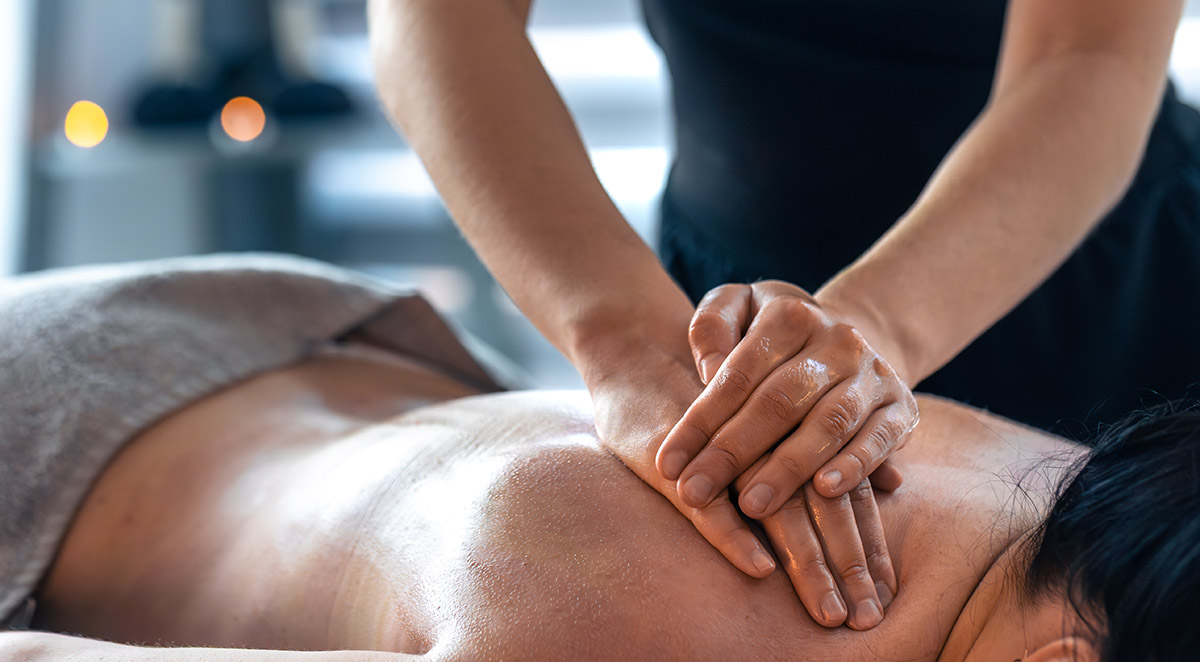

Most lifters obsess over training variables: sets, reps, progressive overload, and the perfect program. Far fewer give recovery the same attention, yet recovery is where the actual adaptations happen. If you train hard in Asheville and want to keep training hard, massage therapy for athletes is one of the most underrated tools available. Sports massage supports muscle recovery, eases the soreness that follows heavy sessions, and helps you get back under the bar sooner. Recovery is not the opposite of work. It is part of the work.
This guide looks at what the research actually shows about massage for lifters, how it helps, and how to fold it into a serious training program.
Quick Summary
Here is what this article establishes:
- Recovery is when your body adapts. Training provides the stimulus, but muscle repair and growth happen during rest, which is why recovery deserves real attention.
- The research is encouraging. A meta-analysis of 504 participants found massage after strenuous exercise significantly reduced muscle soreness at 24, 48, and 72 hours, lowered a key marker of muscle damage, and improved muscle performance.
- Massage helps lifters in several ways: easing delayed onset muscle soreness, improving circulation, releasing tension, and supporting the relaxation your nervous system needs to recover.
- Timing matters. Massage after demanding sessions or during a deload tends to fit training best, though the right cadence depends on your volume and goals.
- On-site access removes friction. WNC Barbell keeps licensed massage therapists on-site, making recovery a realistic habit rather than a good intention.
Why Recovery Is Where Gains Happen
It is tempting to believe progress is made entirely under the barbell, but the workout is only the stimulus. When you train hard, you create small amounts of muscle damage and fatigue. Your body then repairs that tissue and adapts, coming back stronger than before. That process unfolds during recovery, not during the set itself.
Neglect recovery and you blunt the very results you are training for. Persistent soreness, lingering fatigue, and accumulating tension make each session a little worse than it should be, and over time they raise the risk of overuse injuries. Taking recovery seriously is how you keep training hard without breaking down. The lifters who last are rarely the ones who train the hardest for a few months. They are the ones who recover well enough to keep training hard for years.
What the Research Says About Massage
Massage is not just a feel-good luxury. There is real evidence behind it. A systematic review and meta-analysis published in Frontiers in Physiology, pooling 11 studies and 504 participants, found that massage after strenuous exercise significantly reduced muscle soreness at 24, 48, and 72 hours compared to no intervention. The same analysis found massage improved measures of muscle performance and reduced serum creatine kinase, a common marker of muscle damage.
A separate meta-analysis on post-exercise recovery techniques reached a similar conclusion, identifying massage as one of the more effective methods for reducing delayed onset muscle soreness and perceived fatigue. In plain terms: the research supports what many lifters already feel, that a good massage helps you bounce back.
It is worth being realistic about the mechanisms. Part of the benefit appears to be physiological, and part is the relaxation and stress reduction that massage provides. Both matter for a lifter trying to recover and return to training.
How Massage Helps Lifters Specifically
For someone who trains with intensity, massage offers several concrete benefits:
- Less soreness: By addressing the tissue stress that follows hard sessions, massage can reduce the severity of delayed onset muscle soreness so it interferes less with your next workout.
- Better circulation: Massage promotes blood flow to worked muscles, which supports the delivery of nutrients and the clearing of metabolic byproducts.
- Released tension: Heavy lifting and long hours at a desk both create tight, restricted tissue. Targeted work helps release that tension and can improve how you move.
- Nervous system recovery: Hard training keeps your body in a stressed, activated state. The relaxation response from massage helps shift you toward the recovery mode your body needs.
Taken together, these benefits help you train more consistently, and consistency is what ultimately drives long-term strength and muscle gains.
Types of Massage for Athletes
Not all massage is the same, and the right style depends on your goals. A few common approaches suit lifters well.
Sports Massage
Designed with athletes in mind, sports massage targets the muscle groups you use most and the tightness that comes with heavy training. It is a practical choice for lifters managing the demands of a consistent program.
Deep Tissue
Deep tissue work focuses on deeper layers of muscle and connective tissue, addressing stubborn knots and chronic tension. It can be intense, but many lifters find it valuable for persistent tight spots.
General Relaxation
Sometimes the goal is simply to downshift and recover. A more relaxing style still promotes circulation and stress reduction, which supports recovery even without aggressive pressure.
A licensed therapist can help you match the style to your needs, adjusting pressure and focus based on how you are training and feeling.
When to Get a Massage Around Training
Timing is less rigid than many people assume, but a few patterns work well. Scheduling a session in the day or two after a particularly demanding workout can help manage the soreness that follows. Massage also fits naturally into a deload week, when your body is already prioritizing recovery. Some lifters prefer a lighter session before a big training day and save deeper work for afterward.
The right cadence depends on your training volume and goals. Someone in a heavy block may benefit from regular sessions, while others use massage as needed when tightness or soreness flares up. There is no single correct schedule, only the one that keeps you training well.
It also helps to remember that massage is one piece of a larger recovery system. Quality sleep, adequate protein, sensible training volume, and managing stress all work together, and massage complements them rather than replacing them. Think of it as one reliable tool in a kit, most powerful when the fundamentals are already in place.
Making Recovery a Habit at WNC Barbell
The biggest obstacle to recovery is usually friction. If getting a massage means booking somewhere across town and carving out a separate trip, it tends not to happen. WNC Barbell removes that obstacle by keeping licensed massage therapists on-site, so recovery is available in the same place you train.
Members notice the difference that convenience makes:
“…all the staff I’ve interacted with have been very friendly and helpful, including the massage therapists whose offices are on site. We really appreciate having a gym that’s focused on weight lifting (and not just cross fit) that feels low-key and local.” J Gant, Google review
Recovery works best as part of a complete approach. Pairing on-site massage therapy with structured personal training means you can train hard and recover well without leaving the building, turning recovery from an afterthought into a genuine part of your program.
Frequently Asked Questions
How often should a lifter get a massage?
It depends on your training volume and goals. Lifters in heavy blocks may benefit from regular sessions, while others use massage as needed for soreness or tightness. A therapist can help you find a cadence that fits your program.
Does massage actually improve performance?
Research suggests massage can reduce soreness and support measures of muscle performance after strenuous exercise, and it aids the relaxation and recovery your body needs. It works best as one part of a broader recovery strategy that includes sleep and nutrition.
Is sports massage painful?
It can involve firm pressure, especially deep tissue work, but a skilled therapist adjusts to your comfort and goals. Communicate how you feel so the session supports rather than sets back your recovery.
Can I get a massage at WNC Barbell?
Yes. Licensed massage therapists keep offices on-site. For booking and availability, reach out through our contact page.
Recover Like You Train
Serious lifters earn their results through hard, consistent work, and recovery is what lets that work continue. With research-backed benefits for soreness, performance, and tension, massage deserves a place in your program alongside your training. Treating recovery as part of the job, not a reward for finishing it, is how you keep progressing year after year.Ready to make recovery part of your routine? Contact WNC Barbell today to ask about on-site massage therapy and see how better recovery can support your training.